Discover the Lake
Skadar Lake National Park: Wildlife, Rules and What to See
Skadar Lake National Park protects the largest lake in Southern Europe, on Montenegro's border with Albania. Montenegro declared it a national park in 1983, and it joined the Ramsar list of internationally important wetlands in 1996. The park spans open lake, flooded reed forest and karst hills, and shelters more than 280 bird species, including a major Dalmatian pelican colony. Entry costs €5 per person, and the best way to see it is from a small boat.
Chat on WhatsApp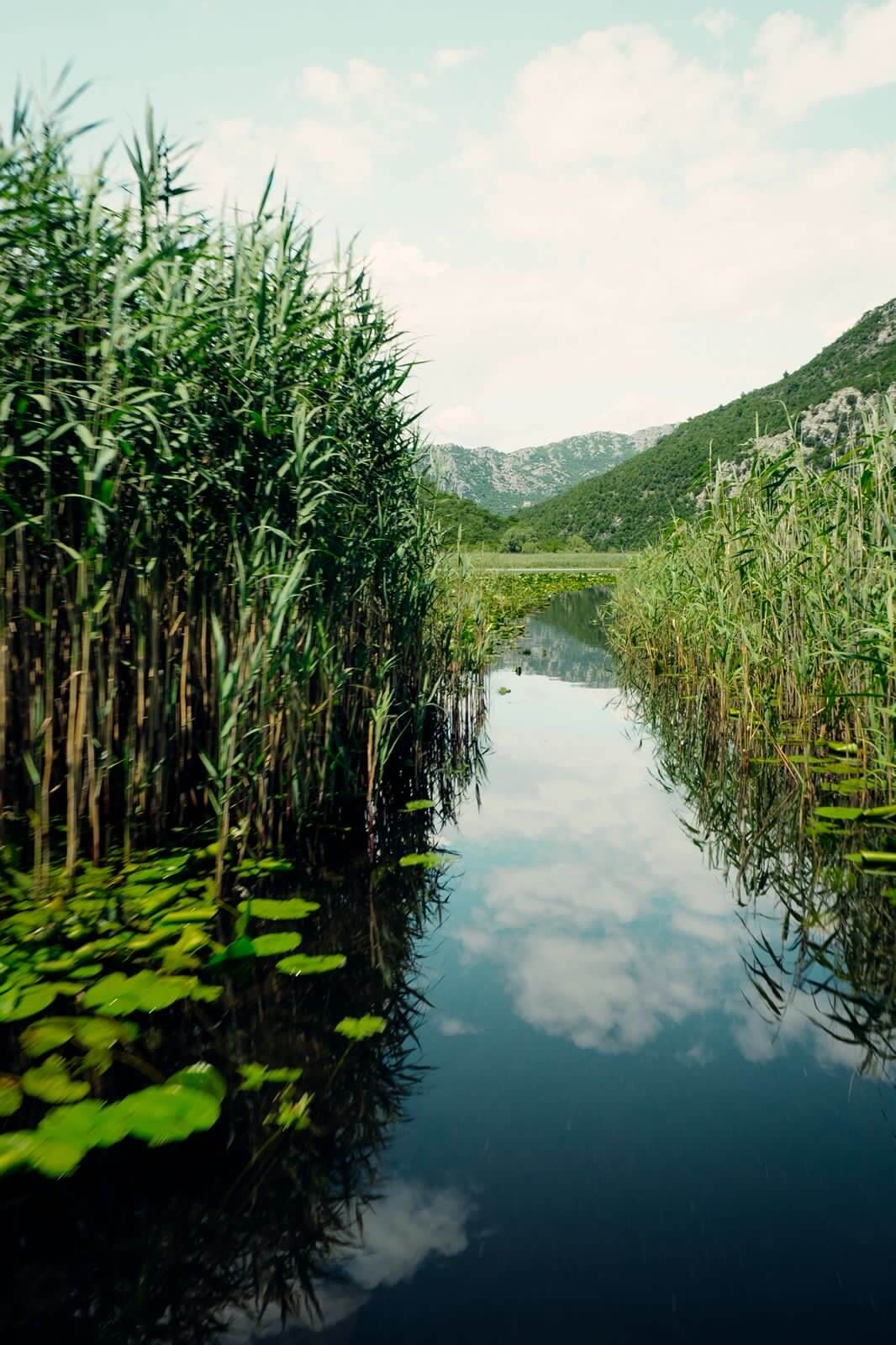
Established
1983 national park
Ramsar wetland
Since 1996
Surface area
370–530 km²
Bird species
280+ recorded
Entrance fee
€5 per person
Other status
Important Bird Area
Best way to visit
Private boat tour
Departure point
Rijeka Crnojevica
This guide covers what the park protects and the rules that keep it that way. It also covers the wildlife you will meet and the historic sites hidden among its islands.
What the Park Protects
The park covers the Montenegrin portion of Lake Skadar and a strip of its shoreline and hills. It is built around a karst lake, fed by the Morača River and a network of underwater springs. The water level rises and falls with the seasons, flooding forests and meadows in winter and exposing mudflats in late summer.
That rhythm is the point. Seasonal flooding creates the shallow, reed-fringed feeding grounds that make the lake one of the richest bird wetlands in the Mediterranean. The park also takes in wet meadows, willow forest, and the dry karst slopes above the water, each with its own plants and animals.
The Ramsar designation in 1996 recognised the wetland's global importance. BirdLife International lists it as an Important Bird Area. These are working protections, backed by rangers, seasonal closures and enforced buffer zones around the most sensitive sites.
Wildlife in the Park
More than 280 bird species have been recorded here over the decades. On a single dawn tour in spring, expect to see 30 to 50 of them.
Dalmatian pelican
The park's signature bird is the Dalmatian pelican, the largest freshwater bird in Europe, with a wingspan near three metres. It is globally threatened, and Skadar holds one of the continent's most important breeding colonies. Look for the silver-grey bill and curly nape feathers. The birds nest on floating reed platforms from March to August. A 200-metre buffer is enforced around the colony to protect nesting adults.
Other birds
The reeds and channels also hold pygmy cormorants, great crested grebes, five heron species, whiskered terns and the near-threatened ferruginous duck. Winter brings large rafts of coots and ducks. The full species list, timing and viewing technique are in the Lake Skadar birdwatching guide.
Fish and other life
Beneath the surface the lake supports carp, bleak and eel, the basis of a traditional fishery and the reason the pelicans thrive. Otters, turtles and amphibians live in the wetlands too. Fields of white water lilies cover the northern bays in July and August.
Park Rules and Conservation
The rules exist to keep the wildlife wild. The main ones for visitors:
- Keep your distance from nesting birds. A 200-metre buffer around the pelican colony is enforced during the breeding season. Approaching closer can make parents abandon their eggs.
- Stay with a licensed guide. Local operators know the channels and the seasonal closures, and they keep boats out of sensitive areas.
- Pay the park fee. The €5 per-person entrance fee funds park management and monitoring.
- Take nothing, leave nothing. No fishing without a permit, no removing plants, no litter.
Choosing a guide who follows these rules is not just ethical. It also gets you closer to the birds, because wildlife stays calm around operators it can trust.
What to See in the Park
Beyond the wildlife, the park hides a surprising amount of history.
Island monasteries
The lake holds more than a dozen islands. Several carry medieval Orthodox monasteries founded by the Crnojević and Balšić rulers, including Beška, Starčevo, Moračnik and Vranjina. Some are still active, with monks in residence. They are reachable only by boat, which is why they remain quiet.
Grmozur and Besac fortresses
Grmozur is a small island fortress that once held a prison, earning the nickname Montenegrin Alcatraz. Besac Fortress sits on a hill above Virpazar, built by the Ottomans in 1478. Both mark the lake's long history as a contested borderland.
Villages and viewpoints
Karuč, an 1808 fishing village, and the abandoned settlement of Dodoši line the northwestern shore. Above Rijeka Crnojevića, the Pavlova Strana viewpoint looks down on the river's horseshoe bend. It is the most photographed spot on the lake, and you reach it by road, no boat required.
How to Visit the Park
The lake is about 40 km south of Podgorica and roughly 50 minutes inland from the coast. Most visitors arrive by car, since the river-canyon departure point at Rijeka Crnojevića is not served by public transport. Buses and trains reach Virpazar instead. Full directions are in the complete Lake Skadar guide.
The water itself is the attraction, and reeds block the view from shore. A boat tour is the standard way to experience the park. The clean, warm water also makes it good for swimming at quiet coves between June and August.
The most rewarding tours leave from Rijeka Crnojevića. They cover about 15 kilometres of river canyon, past stone bridges and lily fields, before the open lake begins. Tours from Virpazar skip that stretch.
See the park the way it was meant to be seen
To reach the monasteries, the lily fields and the pelican channels, you need a boat and someone who knows where they are. Captain Dusko has fished and guided these waters for over 15 years, and every tour is private from Rijeka Crnojevića. The 3 Rivers & Lake Unforgettable Jungle covers the richest wildlife channels in 1.5 hours. Compare all routes on the tours page, or message Captain Dusko on WhatsApp to plan your visit.