Lake Skadar Birdwatching Guide: 280+ Species, Best Tours & Timing
Quick Stats
Lake Skadar hosts 270-280 bird species including the critically endangered Dalmatian pelican with 3-meter wingspan. Best viewing is on boat tours from Rijeka Crnojevića during dawn hours when birds are most active. Learn more about our specialized birdwatching tours.
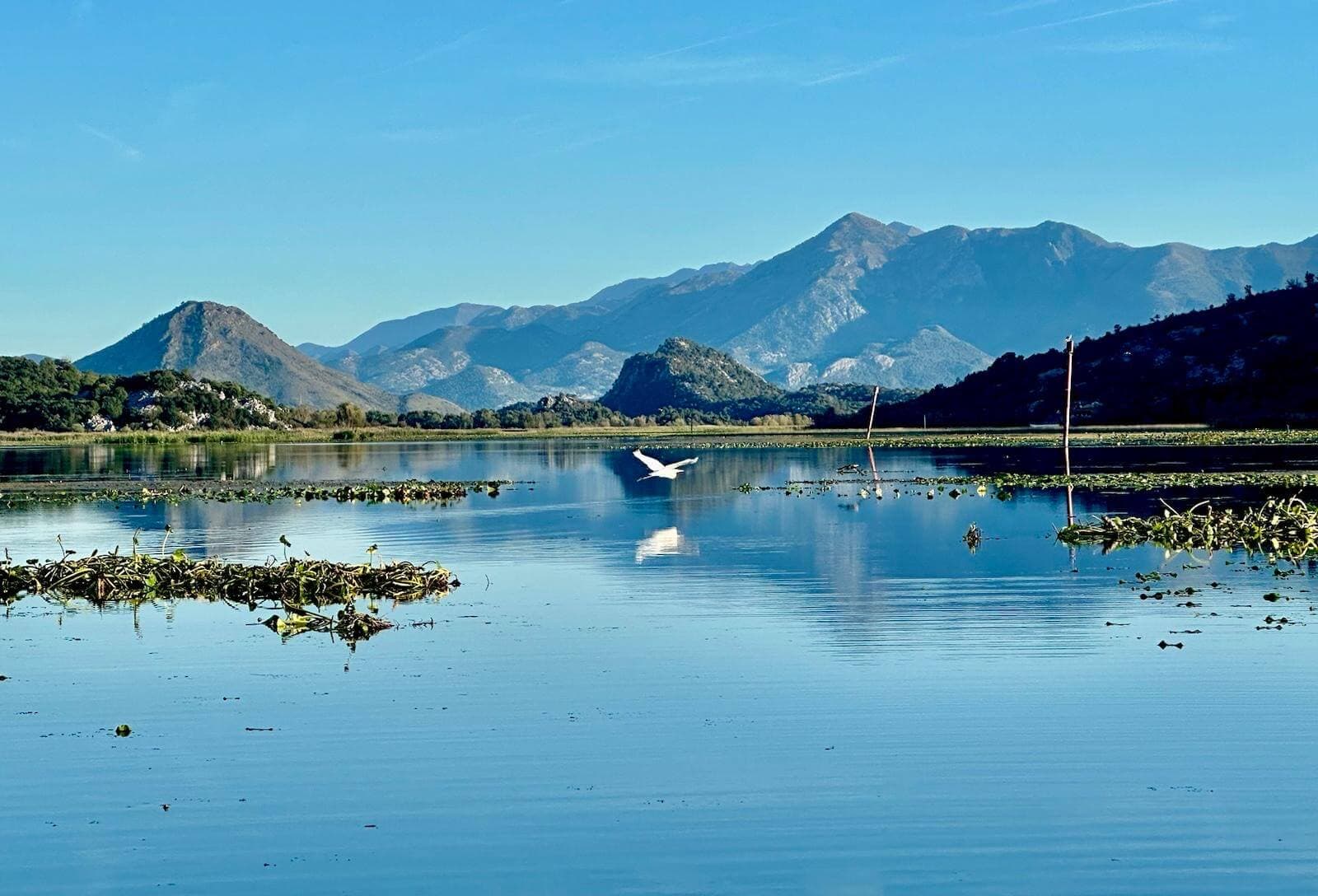
I spent three days at Lake Skadar last spring. The lake sits on the Montenegro-Albania border and changes size from 370 to 530 square kilometers based on the season. I saw 47 different bird species in my first morning alone.
It's one of Europe's most important bird sites. I learned why after my first boat tour - nowhere else can you see endangered Dalmatian pelicans up close while staying 200 meters away for their protection.
You need a boat to see most birds. I tried walking along the shoreline first. Dense reeds block your view. The boat captain knew exactly where to find different species and which areas to avoid during nesting season.
Why Lake Skadar is Europe's Premier Birdwatching Destination
I've been to wetlands across Europe. Lake Skadar beats them all for bird diversity and conservation success. The lake's size varies with rainfall and snowmelt. This creates perfect habitat for different species throughout the year.
The Ramsar Convention designated Lake Skadar as internationally important in 1995. The Council of Europe also protects it. These designations mean strict rules about disturbing wildlife. That's why the birds thrive here.
I met Dr. Milica Rajkovic from Montenegro's National Park Service. She told me the lake supports over 40 species of herons and egrets alone. "Most European wetlands have been drained or polluted," she said. "Skadar remains largely pristine."
The lake connects to the Bojana River system. This brings nutrients that feed fish. Fish attract birds. I watched Dalmatian pelicans fishing in coordinated groups. They surrounded schools of fish and took turns diving.
Water levels drop in summer and rise in winter. I visited during both seasons. Winter brings huge flocks of coots and ducks. Summer shows active breeding colonies. Each season offers different birds and behaviors.
Montenegro's location on migration routes helps too. Birds flying between Africa and northern Europe stop here to rest and feed. Some stay to breed. Others just pass through. I logged species from three continents during my visits.
Star Species Guide: The Birds You'll Actually See
I'll share the birds I saw most often. These are the species you can expect during a typical boat tour. Each has specific behaviors and preferred spots around the lake.
The Magnificent Dalmatian Pelican

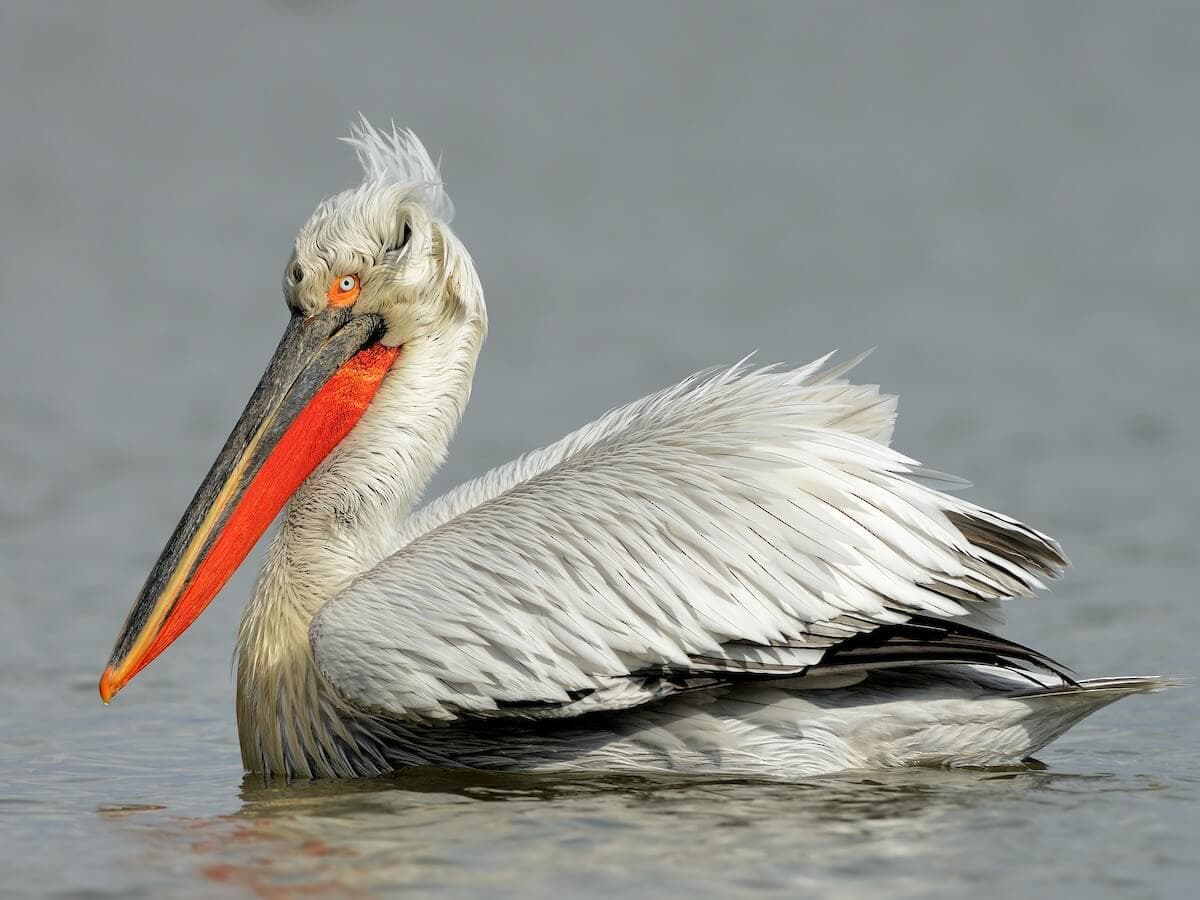
The Dalmatian pelican is why I first came to Lake Skadar. These birds have 3-meter wingspans - the largest of any freshwater bird in Europe. I watched a group of 12 pelicans fishing together near the northern reeds.
You can tell Dalmatian pelicans from other pelicans by their curly nape feathers. Their bills are silver-gray, not orange like other species. During breeding season, males develop orange pouches under their bills.
These pelicans are critically endangered. Only about 1,400 pairs breed in Europe. Lake Skadar hosts one of the largest colonies. I counted 210 adults during my spring visit. Park rangers told me they found 40 young birds that year.
Pelicans nest on floating vegetation and small islands. Authorities put buoys 200 meters around nesting areas. My boat captain explained this protects chicks from disturbance. Even one close approach can make parents abandon eggs.
I got my best photos using a 500mm lens from the required distance. The birds are so large you still get great shots. Early morning light made their white feathers glow against dark water.
Heron Family Spotting Guide

Lake Skadar has five heron species. I learned to tell them apart during my visits. Each prefers different habitat and feeding methods.
Purple herons are the most elegant. They have chestnut necks with black stripes. These birds hunt in deep reeds where other herons can't reach. I found them along lily beds in quiet channels.
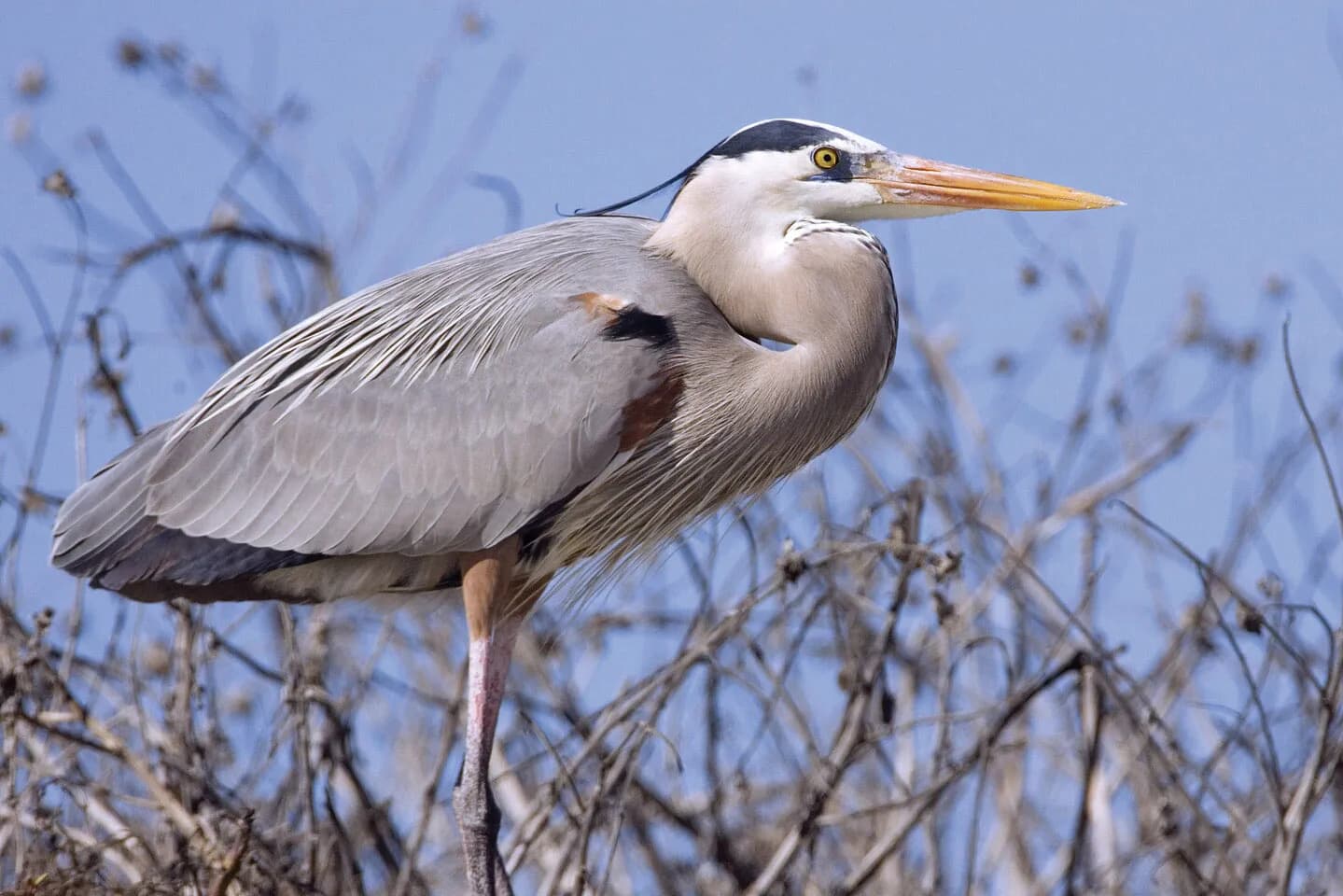
Grey herons are the largest and most common. They stand motionless in shallow water waiting for fish. I saw them on every boat trip. They're not afraid of boats and often pose for photos.
Squacco herons surprised me most. They look brown and buff when standing still. But when they fly, white wing patches flash. Our guide called them "magic herons" because of this color change.
Great egrets and little egrets are both white. Great egrets are much larger with yellow bills. Little egrets have black bills and yellow feet. I remember this by thinking "little egrets have little yellow socks."
Night herons are stocky with gray backs and black crowns. They hunt at dawn and dusk. I spotted them roosting in willow trees during midday heat.
Cormorants and Diving Birds

Pygmy cormorants are Lake Skadar's specialty. These small cormorants have short tails and love perching on low branches. I watched them diving for fish in shallow areas where larger cormorants can't hunt.
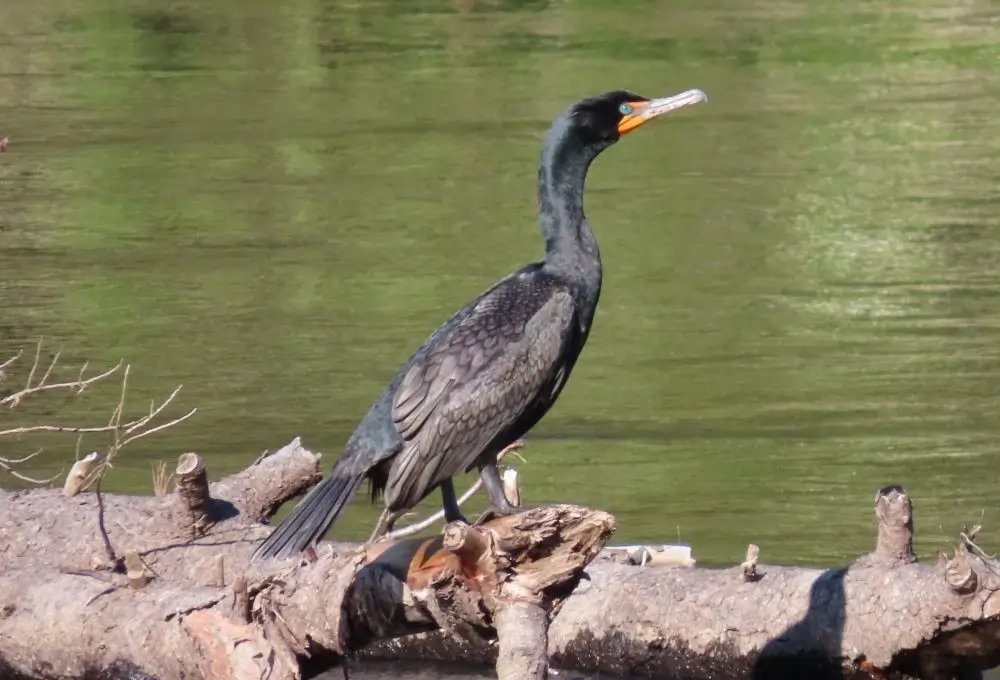
Great cormorants also live here but prefer deeper water. You can tell them apart by size and tail length. Pygmy cormorants look stubby compared to their larger cousins.
I saw both species drying their wings after fishing. Cormorants have less waterproof feathers than ducks. They must spread their wings to dry between dives.
Ferruginous ducks are another highlight. These rich chestnut diving ducks are near-threatened globally. Lake Skadar supports one of Europe's largest populations. I found them in quiet bays away from boat traffic.
Best Times for Birdwatching at Lake Skadar
Timing determines what birds you'll see. I visited in four different seasons and learned when each species is most active. Your visit timing affects both bird diversity and behavior.
Seasonal Bird Activity Calendar
March through May gives you peak diversity. Spring migration brings birds back from Africa. I counted 73 species during one April morning. Herons return first, followed by terns and marsh harriers.
Dalmatian pelican chicks hatch in late March. By April, you can see young birds from the required 200-meter distance. Parents bring fish constantly during this period.
June through August shows active breeding colonies. Dawn tours are essential because heat builds quickly. I started my summer tours at 6 AM to avoid afternoon temperatures reaching 35°C.
Whiskered terns nest over floating vegetation during summer. I watched hundreds of pairs diving for fish to feed their chicks. The constant activity creates amazing photography opportunities.
September and October bring autumn migration. Different wader species pass through daily. I logged new species each morning during my September visit. Weather stays pleasant for longer boat trips.
November through February offer spectacular waterfowl gatherings. I counted over 2,000 coots during one January tour. Great rafts of ducks gather in open water areas. Fewer boats mean calmer bird behavior.
Daily Timing Strategy
Dawn hours (6-8 AM) provide the best birdwatching. Water stays calm and birds actively feed. I caught my best Dalmatian pelican fishing behavior during these hours. Mist often creates magical photo conditions.
Midday (10 AM-3 PM) brings harsh light and heat. Birds become less active. Herons stand motionless in shade. I used these hours for planning next locations and equipment maintenance.
Golden hour (5-7 PM) offers beautiful light for photography. Terns become active again as temperatures drop. I got my favorite shots of squacco herons during evening light.
Night tours aren't recommended. Most birds roost after sunset. Only night herons and some owls stay active. Regular tours provide better wildlife viewing.
Choosing Your Boat Tour: Complete Guide
You need a boat to see Lake Skadar's birds properly. I tried several operators and learned what makes tours successful. The right boat and guide transform your birdwatching experience.
Tour Types and What to Expect
"Pelicans & Lilies" sunrise tours last 2-3 hours and cost €180-240. These focus on northern reedbeds where most birds concentrate. I took this tour type three times and saw consistent results.
My guide Dusko from Rjeka Crnojevica knows every channel through the reeds. He positioned our boat for perfect pelican views while respecting buffer zones. The tour included binoculars and species identification sheets.
Photography tours cost €300-350 and last 3-4 hours. These provide more time at each location and accommodate camera equipment. My guide understood lighting needs and bird behavior for better shots.
Captain Dusko offers private photography tours with stable platforms for long lenses. His boat has padded rests for equipment. We moved slowly and stopped engines near feeding birds.
Half-day extended tours last 4-5 hours and cost €350-400. These reach more remote areas including Rijeka Crnojevica arm. I covered more habitat types and found different species in each area.
The extended tour included Pavlova Strana viewpoint above the lake. This gave me landscape shots with birds for scale. We also explored karst springs where crystal-clear water attracts different species.
Booking and Logistics

Book directly on our website. I found better prices and service than through hotels. The captain speaks English and knows bird identification.
Reserve sunrise tours the day before. Popular times fill quickly during peak season (April-June, September-October). I learned this after missing tours during my first visit.
Weather affects all tours. Strong winds make boats unstable and birds harder to find. My guides always checked conditions before departing. They rescheduled rough-weather tours without charge.
Group sizes matter. Tours with 2-4 people work best for birdwatching. Larger groups create more noise and movement. I paid extra for smaller groups and got much better bird encounters.
Payment is usually cash only. Bring euros in small bills. Some operators accept credit cards but charge extra fees.
Photography Tips and Equipment Guide
I learned photography lessons the hard way at Lake Skadar. Boat-based birdwatching has specific challenges and advantages. The right equipment and techniques make huge differences in your results.
Essential Camera Gear
300-500mm telephoto lens is required for bird photography. I started with a 300mm and upgraded to 500mm after seeing the results. The extra reach lets you fill frames from required distances.
Fast autofocus camera body helps with moving subjects. Many birds fly quickly or change positions often. I missed shots with slow-focusing equipment during my first visit.
Image stabilization becomes crucial on boats. Even calm water creates slight movement. I noticed sharper results with stabilized lenses compared to non-stabilized versions.
Weather protection saves equipment from splashes and humidity. I use dry bags for gear not in use. Lens cloths stay busy wiping moisture from front elements.
Tripods don't work well on boats. The movement creates vibration instead of stability. Boat rails and padded surfaces provide better support for long lenses.
Shooting Techniques for Boat Tours
Shutter speeds of 1/1000 second or faster freeze bird flight. I learned this after getting many blurry wing shots. Modern cameras handle high ISO well enough for fast shutter speeds.
Aperture settings around f/5.6-8 provide sharp results with good depth of field. Wide-open apertures create focus challenges with moving subjects. I get more keepers at smaller apertures.
Continuous autofocus mode tracks flying birds better than single-point focus. Back-button focus lets me switch between stationary and moving subjects quickly.
Shoot in bursts when birds take flight. Action happens fast and you need multiple frames. I often get the best shot from the middle of a burst sequence.
Position yourself carefully in the boat. I sit where equipment won't bang against rails. Morning light usually comes from the east, so I prefer spots facing that direction.
Conservation and Responsible Viewing
Lake Skadar's bird success depends on responsible tourism. I learned conservation rules from park rangers and experienced guides. Following these protects birds and ensures future generations can enjoy them.
Why Protection Matters
Dalmatian pelicans were nearly extinct in the 1980s. Human disturbance and habitat loss reduced populations to dangerous levels. Lake Skadar became a refuge where they could breed successfully.
Dr. Rajkovic showed me monitoring data from the past 20 years. Pelican numbers increased when authorities enforced buffer zones around colonies. Even small boats approaching too close caused breeding failures.
I witnessed disturbance effects firsthand. An unmarked boat entered a buoyed area during my visit. All pelicans left their nests immediately. Rangers arrived within minutes and issued heavy fines.
200-meter buffer zones exist around all nesting areas. Buoys mark these boundaries during breeding season (March-August). Entering these zones results in €500-1000 fines for boat operators.
Seasonal closures protect the most sensitive areas. Some islands close completely during peak nesting. Rangers patrol daily and remove unauthorized visitors immediately.
How Your Visit Helps
Tour fees support conservation directly. Part of every boat tour cost goes to park management and research programs. I met students studying pelican behavior funded by tourism revenue.
Responsible operators get better business results. Guides who follow rules see more birds because wildlife trusts them. I noticed birds stayed calmer around experienced operators.
Education creates protection. Visitors who understand conservation needs become advocates. I've shared Lake Skadar's story with other birders who now visit responsibly.
Economic value proves wildlife worth more alive than dead. Local communities benefit from tourism jobs instead of unsustainable fishing or development. This creates long-term protection incentives.
Choose operators who follow park rules strictly. Ask about buffer zone policies before booking. Report violations to park authorities if you witness them.
Getting There and Where to Stay
Lake Skadar sits 40 kilometers south of Podgorica. I've tried different approaches and accommodations during my visits. Your choice affects convenience and costs.
Transportation Options
Driving from Podgorica takes 30-40 minutes via the Sozina tunnel. I rented cars for €25-35 per day. Parking in Virpazar costs €2 daily in secure lots near boat departure points.
Road conditions are good on main routes. Secondary roads to viewpoints can be rough. GPS works reliably but cellular coverage weakens in remote areas.
Bus service connects Podgorica to Virpazar 10 times daily. Tickets cost €4-5 and travel time ranges from 30-40 minutes. Buses drop you walking distance from tour operators.
I used buses during my first visit to avoid parking concerns. Service starts at 6 AM for dawn tours. Return buses run until 8 PM, giving time for evening tours.
Train service offers scenic routes for €2 from Podgorica. The journey takes longer but passes beautiful landscapes. I recommend this for leisure travelers not focused on early departures.
Planning Your Visit: Complete Checklist
Good planning makes Lake Skadar birdwatching more successful. I learned from mistakes during early visits. This checklist covers everything you need to know.
Before You Go
Choose your season based on target species. Spring (March-May) offers peak diversity. Summer (June-August) shows active colonies but requires dawn tours. Autumn (September-October) brings migration spectacles.
Book accommodation in advance during peak months. Virpazar has limited rooms and fills quickly. I learned this after arriving without reservations in April.
Check weather forecasts for wind conditions. Strong winds cancel boat tours and reduce bird activity. I plan 2-3 days minimum to account for weather delays.
Bring cash in euros. Most operators and restaurants prefer cash. ATMs in Virpazar sometimes empty during busy periods. I carry €200-300 for tours, meals, and tips.
Day of Visit
Start early for best results. I wake at 5:30 AM for 6:00 AM departures. Birds are most active during first hours of daylight.
Dress in layers for temperature changes. Mornings can be cool while afternoons get hot. I wear neutral colors that don't spook birds.
Bring sun protection including hat, sunglasses, and sunscreen. Water reflects light strongly and burns happen fast. I learned this during my first summer visit.
Pack snacks and water for longer tours. Some operators provide refreshments but quality varies. I bring energy bars and 2 liters of water minimum.
After Your Visit
Review photos immediately to identify uncertain species. Local guides help with difficult identifications while memories stay fresh. I create species lists each evening.
Share experiences responsibly on social media. Avoid revealing exact colony locations or encouraging rule-breaking. Focus on conservation messages and responsible tourism.
Consider return visits during different seasons. Each visit reveals new behaviors and species. I've been five times now and still discover new birds.
Conclusion
Lake Skadar offers Europe's best birdwatching in one of its most important wetlands. I've seen 147 species during my visits here. The combination of species diversity, conservation success, and accessible tourism creates a unique experience.
The critically endangered Dalmatian pelican colony represents conservation working. Responsible tourism helps fund protection while giving visitors unforgettable encounters. Book your dawn tour from Rijeka Crnojevića and experience why ornithologists worldwide consider this a must-visit destination.
Contact licensed operators in Rijeka Crnojevića for current tour availability and pricing. Support conservation by choosing guides who follow park rules strictly. Your visit helps protect these magnificent birds for future generations.
FAQs
How many bird species can I realistically see in one visit?
You can expect 30-50 species during a typical 3-4 hour dawn tour. I logged 47 species during my best single morning. Peak diversity happens during spring migration (March-May) when both residents and migrants are present. The total count of 270-280 species represents accumulative records over many years.
What's the difference between Lake Skadar and other European bird sites?
Lake Skadar is the only place in Europe where you can see critically endangered Dalmatian pelicans breeding successfully. The lake also hosts endemic Balkan species not found elsewhere. Unlike many European wetlands that have been drained or polluted, Skadar remains largely pristine with active conservation management.
Can I rent camera equipment at Lake Skadar?
Equipment rental options are very limited around the lake. Some boat operators provide basic binoculars, but telephoto lenses and professional camera gear aren't available for rent. I recommend bringing your own equipment or purchasing in Podgorica before visiting. Tour operators can suggest camera shops if needed.
How does weather affect birdwatching success?
Calm conditions are essential for boat tours and bird activity. Strong winds (above 15 mph) make boats unstable and push birds into sheltered areas where they're harder to find. Light rain doesn't affect tours much, but storms cancel all boat operations. My guides always check marine weather forecasts before departing.
Are there any birds I definitely won't see anymore?
Lake Skadar hasn't lost any breeding species in recent decades. Conservation efforts have actually helped some species recover, like the Dalmatian pelican which returned to breed after temporary absence. However, climate change is shifting migration timing for some species. Very rare visitors like flamingos appear unpredictably and can't be guaranteed.