A village most travelers miss
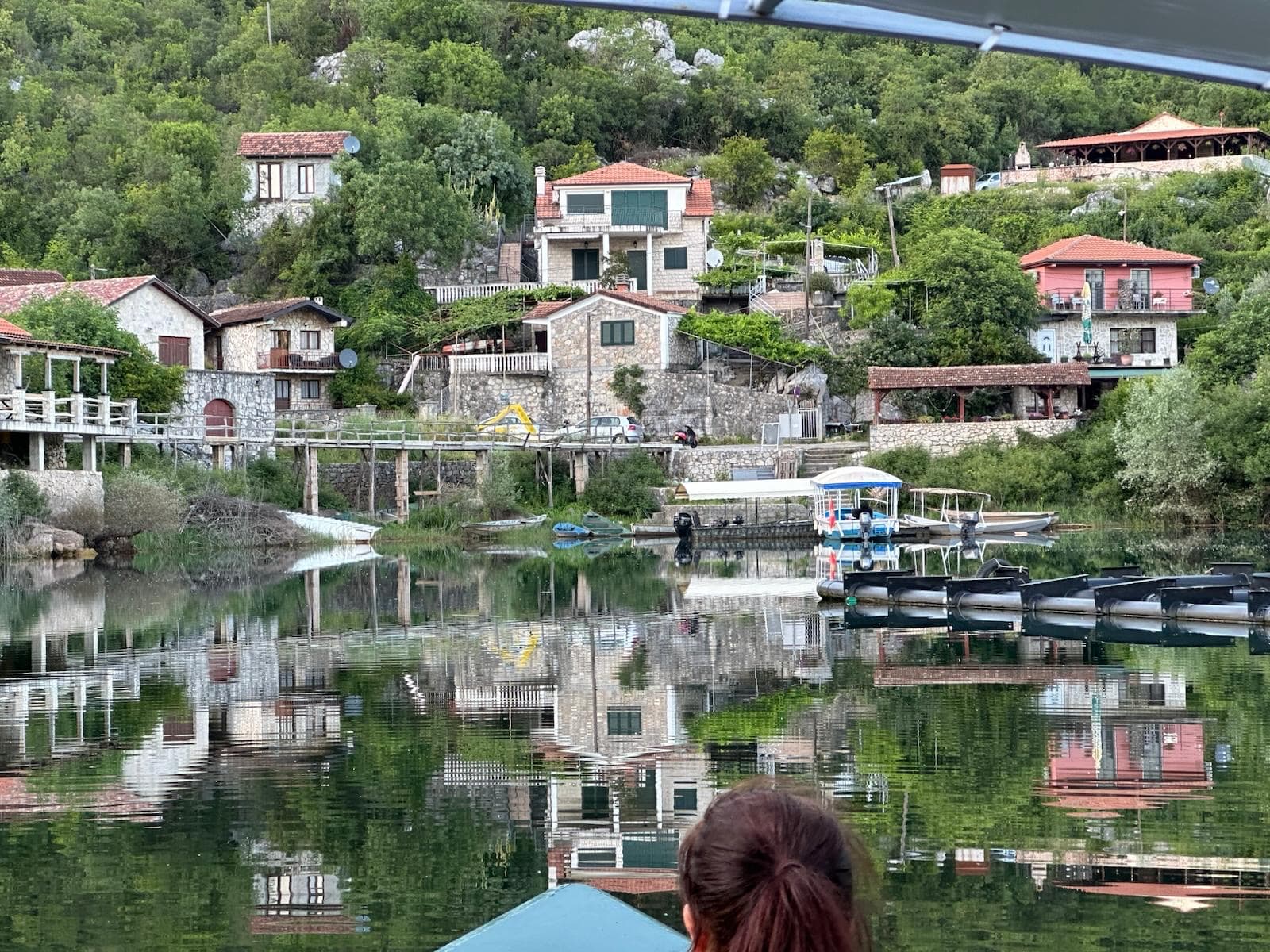
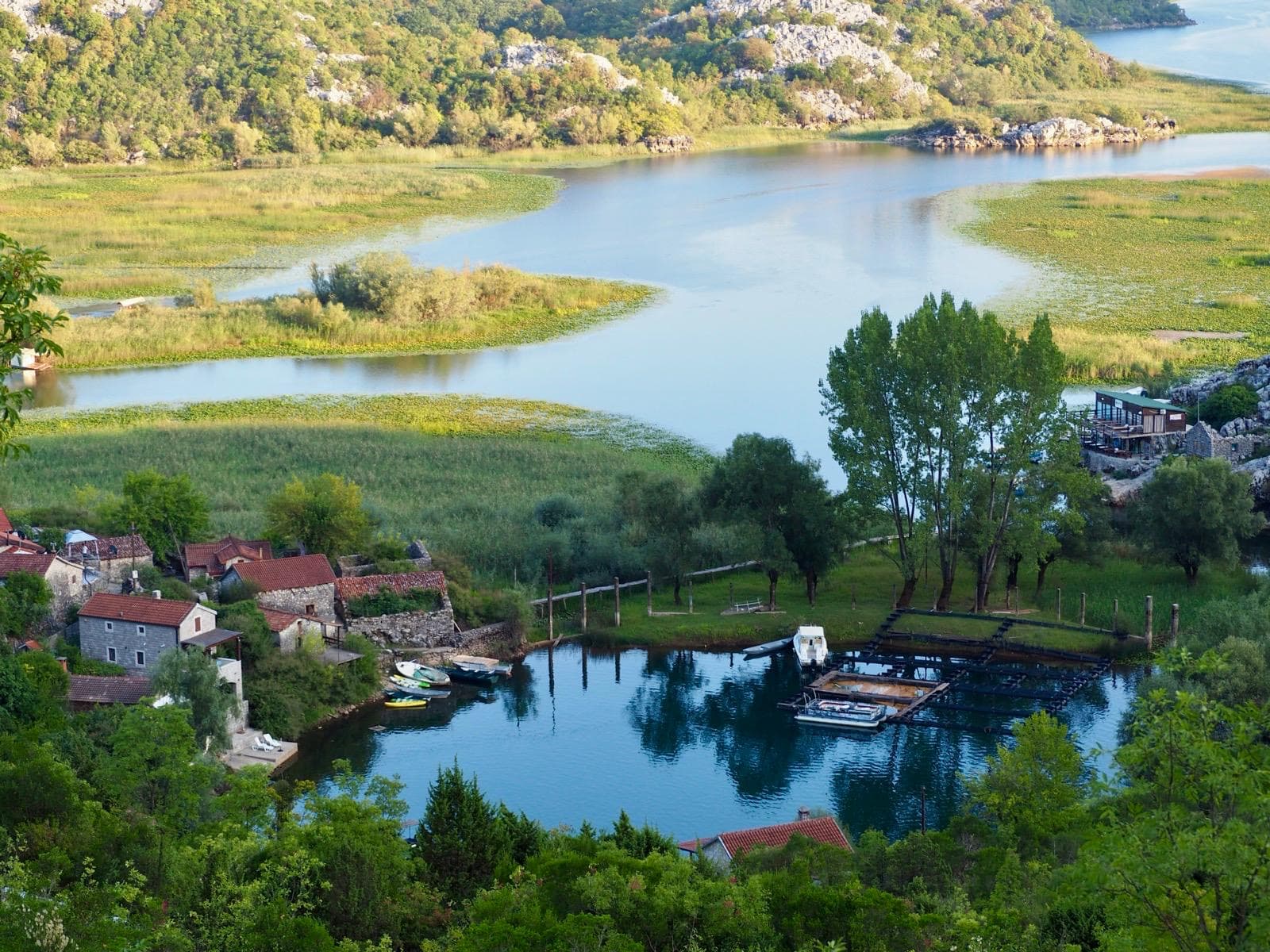
I discovered Karuc during my third visit to Montenegro. Most travelers rush past this tiny hamlet on their way to the coast. They miss something special. Karuc sits tucked into a protected bay where fishermen have worked for centuries. The village has maybe 50 people. No crowds. No tour buses. Just stone houses, wooden boats, and Lake Skadar stretching to the horizon.
The village centers around Karucko oko — a circular spring pool that locals call "Karuc's Eye." This natural phenomenon draws fish and fishermen. It also creates the peaceful setting that makes Karuc different from other Lake Skadar villages.
Where is Karuc and how to reach it
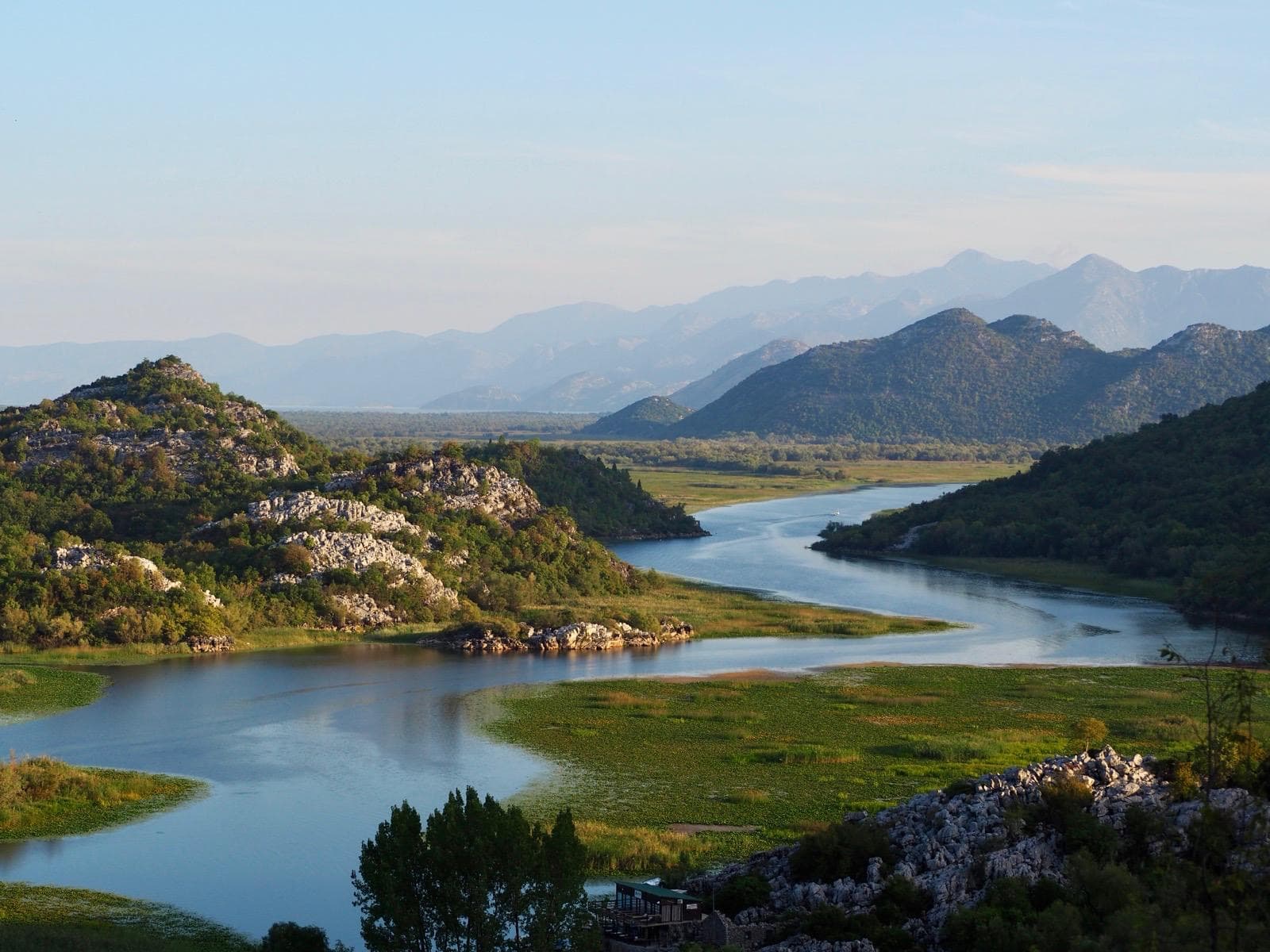
Karuc sits on Lake Skadar's northern shore in central Montenegro. The village occupies a natural bay 20 km southwest of Podgorica. Lake Skadar forms the border between Montenegro and Albania. Karuc provides easy access to the lake's Montenegrin side.
Getting to Karuc requires planning. No public buses reach the village directly. The final 2.5 km uses a narrow mountain road with tight curves. Take it slow and enjoy the views.
From Podgorica by car
25–30 minutes on clear roads. Head southwest toward Cetinje on the old mountain road. Watch for the Karuc signpost after about 17 km.
Parking is limited to ~8–10 cars at the village entrance. In summer, arrive before 10 AM or after 4 PM.
Boat from Virpazar
Crossing the lake takes 45–60 minutes depending on weather and route. Tours include wildlife viewing and swimming stops.
National park entrance fees (€4–5 per person) apply for boat tours.
Family-owned accommodation
Karuc offers limited but authentic accommodation options. All lodging is family-owned. Expect simple comfort rather than luxury amenities. Staying overnight lets you experience the village after day visitors leave.
Suncane Terase Karuc
"Sunny Terraces" sits right on the waterfront with 4–5 apartment-style rooms with small balconies facing the lake. The same family runs the attached restaurant.
Kod Strugara
Offers 2–3 apartments near the village center with traditional stone walls and modern bathrooms. The family provides meals on request and can arrange boat tours.
Hosts often offer welcome drinks of homemade rakija and share stories about village life.
Simple pleasures, authentic experiences
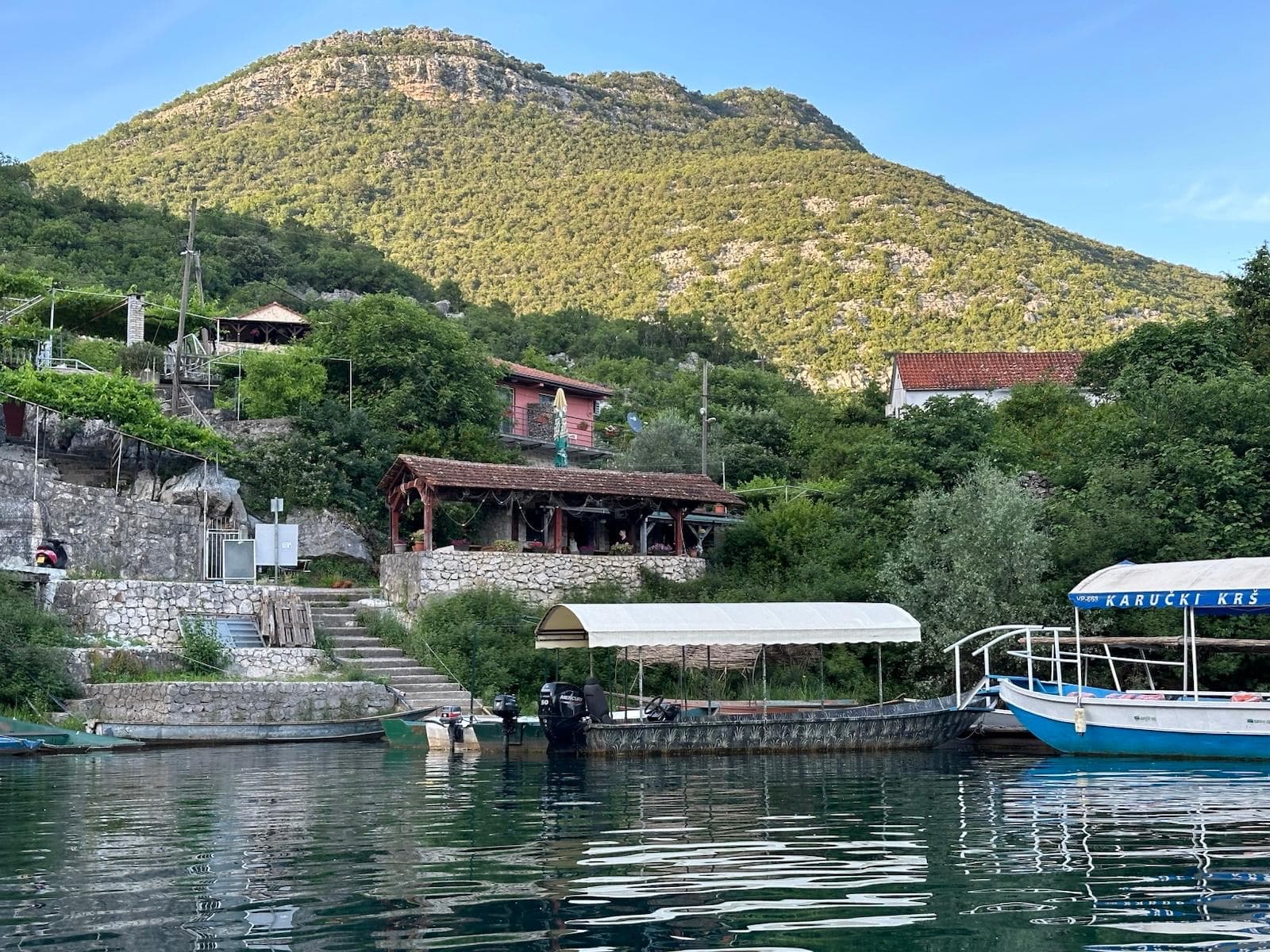
Karuc focuses on simple pleasures rather than organized activities. The village offers boat tours, fishing experiences, easy hikes, and swimming. Everything connects to Lake Skadar and traditional fishing culture.
Traditional fishing
Local fishermen offer boat rides with hands-on lessons. Learn traditional techniques for catching carp, bleak, and eel. Lake Skadar supports over 40 fish species.
2–3 hour trips, equipment included. Best at 6–9 AM or 5–7 PM. Daily permits €10.
Boat tours
Explore the lake's northern bays and reed channels. Spot Dalmatian pelicans, herons, and cormorants among 280+ bird species.
Group tours €20–30 pp. Private boats €80–120 for up to 6.
Village walks & photography
Karuc is small enough to explore on foot in 30 minutes. No paved streets — just stone paths connecting houses down the hillside.
Traditional lake cuisine
Karuc has two small family restaurants. Both specialize in fresh lake fish prepared using traditional methods. Expect simple preparations that highlight the natural flavors.
Family-owned restaurants
Konoba Cudo Nevideno
"Unseen Wonder" · Waterfront
The family catches fish daily. Menu depends on the day's catch — grilled carp, fried bleak, seasonal specialties.
Kod Strugara
Restaurant & Guesthouse
Traditional lake cuisine with homemade wine and rakija. The family grows vegetables and herbs in their garden.
What you need to know
Essential services
- · No shops, ATMs, or gas stations
- · Bring cash for everything
- · Mobile coverage varies
- · Tap water from springs is safe
- · Emergency: 112
Best times
- Spring/Autumn: 15–25°C, fewer crowds
- Summer: Often 30°C+, swim weather
- Winter: Quiet, many services close
What to pack
- · Walking shoes for stone paths
- · Sun protection & swimwear
- · Insect repellent
- · Camera with telephoto
- · Cash for purchases
Heritage and tradition
Karuc began as a seasonal fishing camp in the 18th century. Fishermen were drawn by Karucko oko, a natural spring that attracted large numbers of fish. The settlement became permanent in the mid-1800s.
The village's most famous resident was Petar I Petrovic Njegos, Montenegro's prince-bishop who used Karuc as his winter residence from 1808–1830. Local families built a stone tower on the hill above the village specifically for his use. The ruins still stand and offer panoramic views.
Fishing traditions continue today. Local families use traditional wooden boats and net fishing techniques passed down through generations. The catch includes carp, bleak, eel, and other Lake Skadar species.
Two ways to visit
Day trip (4–6 hours)
- 9–10 AM: Arrive, park
- 10–11 AM: Village walk, photos
- 11 AM–2 PM: Boat tour with swimming
- 2–4 PM: Traditional lunch
- 4 PM: Departure
Overnight stay
- Day 1: Afternoon arrival, village walk
- Evening: Sunset dinner with locals
- Day 2: Dawn fishing trip (6–9 AM)
- Morning: Breakfast with fresh catch
- Late morning: Final photography
Common questions about visiting
Is it better to visit Karuc with a tour or independently?
Independent visits offer more flexibility and authentic interactions with locals. However, organized tours from Podgorica or Virpazar handle transportation and can include multiple Lake Skadar destinations. Choose based on your comfort level with driving narrow mountain roads and your desire for structured vs. flexible experiences.
Can I visit Karuc as part of a larger Montenegro itinerary?
Karuc works well as a day trip from Podgorica or as an overnight stop between coastal and mountain regions. The village is 1 hour from Cetinje, 1.5 hours from Budva, and 2 hours from Kotor. Many visitors combine Karuc with Virpazar and other Lake Skadar locations for a complete freshwater experience.
What should I pack for a visit to Karuc village?
Bring comfortable walking shoes for uneven stone paths, swimwear for lake activities, sun protection, insect repellent, and cash for all purchases. Camera equipment works well due to scenic views and wildlife. Pack light layers as temperatures can vary between morning and afternoon, especially during shoulder seasons.
Are there any cultural customs I should know about in Karuc?
Respect traditional fishing activities by not interfering with nets or boats. Greet locals politely and ask permission before photographing people or their property. Dress modestly when visiting the small church. Learn basic Montenegrin phrases like 'dobar dan' (good day) — locals appreciate the effort even if you only speak English.